Beginner Spirituality is the start of a spiritual journey that can be life changing and deeply fulfilling. Spirituality entails so many components and quite often involves exploring your inner self, connMy spiritual journey started young. I have always been drawn to something outside of me, something bigger than all of us. I remember praying on my hands and knees as a child, not even asking for anything but simply thanking God or Source for all that was, all that I had. There was something in me that just knew there was more.
It was only as I got older that I began to explore spirituality in a deeper way, wanting to study different ideologies and theologies, to understand the many paths that lead to the same light. And then my training as a Reiki Master became a real turning point. That process took years, but it was through Reiki that I realized the energy of the divine was palpable when you allow it to move through you. You are a conduit, yes, but you are also living it and embodying the light. That was when everything shifted for me.
One of the greatest epiphanies I have had on this journey is learning to trust my own intuitive knowings. Learning that I hold immense light within me that I can tap into at any time. I do not always need to look outside of myself for answers because often they are right there inside of me. My greatest teacher Thich Nhat Hanh always said the greatest teacher will lead the student to the guru within. That teaching has never left me.
If you are just beginning your spiritual journey know that there is no single right way to do this. It is a deeply personal path of exploration and growth. Here are 25 ways to get started.

Table of Contents
- What Is Beginner Spirituality?
- 25 Ways To Start With Beginner Spirituality
- Where To Start When Everything Feels Overwhelming
- A Powerful Tool To Help You Go Deeper
- FAQ About Beginner Spirituality
What Is Beginner Spirituality?
Beginner spirituality is the start of a spiritual journey that can be life changing and deeply fulfilling. Spirituality entails so many components and quite often involves exploring your inner self, connecting with a higher power or the universe, and seeking a sense of purpose and meaning in life.
Because the start of the journey can feel overwhelming know this: you do not need to have it all figured out. You just need to be willing to begin. The path reveals itself as you walk it.
For more on the kinds of practices that can anchor your spiritual life, check out these 5 spirituality rituals that actually help you feel more grounded and this deep dive into what goddess spirituality really means.
25 Ways To Start With Beginner Spirituality
1. Self-Reflection
This has always been at the heart of my own spiritual practice. Learning to go deeper with myself, to inquire within, to ask the hard questions and then sit in the discomfort of them — that is where the real transformation lives. Self-reflection offers clarity, inner guidance, soulful revelations, and a quality of wisdom you simply cannot find anywhere outside of yourself.
Take time to reflect on your values, beliefs, and experiences. Consider what brings you joy, fulfillment, and a sense of purpose. Then do more of that. For more on developing a powerful self-reflection practice go here.
2. Mindfulness and Meditation
Leaning into mindfulness and silence has been one of the most powerful sources of comfort on my spiritual journey. Learning to be more present, less reactive, less impulsive, more responsive, more reflective — sitting in silence teaches you all of these things. You learn to be with what you are feeling and what comes up for you without running from it.
Start with simple mindfulness practices to bring your attention to the present moment. Explore basic meditation techniques to calm the mind and enhance self-awareness. Even five minutes a day creates a real shift over time. For more on building a meditation practice explore these 9 mindful self-care practices.
3. Explore Different Spiritual Paths
Read introductory books on various spiritual traditions and philosophies. The Bhagavad Gita and the Tao Te Ching are both wonderful for beginners. Attend local meditation groups or spiritual gatherings to get a feel for different practices and see what resonates with you most deeply.
4. Connect With Nature
Nature has been an incredible source of depth and profundity for me throughout my entire spiritual journey. The tranquility, the calm, the feeling of aliveness, the connecting with the frequencies in nature — all of it has allowed me to see myself as part of something far greater than me. When I am in nature I am not separate from the divine. I am swimming in it.
Spend time outdoors whether it is in a garden, a forest, or by the sea. I created a short video on forest bathing with Nature Connection Coach Hana Lee Goldin that is full of powerful tips for connecting more deeply in nature. And for a deeper look at how the Transcendentalists understood our spiritual relationship with the natural world, this post on Ralph Waldo Emerson and Transcendentalism is a fascinating read.
5. Journaling
Journaling is one of the most powerful tools for soul growth available to us. Keep a journal to document your thoughts, feelings, and spiritual experiences. Write down the questions you have about life, purpose, and the nature of existence. Let the page be a place where you are completely honest with yourself.
Why you need to start a self-care journal is a post I wrote that goes deep on exactly this. And my Self-Love Workbook is a beautiful structured companion for this kind of deep inner work, designed to help you heal, build confidence, and grow through guided self-inquiry.
6. Gratitude Practice
Cultivate gratitude by reflecting on and appreciating the positive aspects of your life. Start a daily gratitude journal and note three things you are genuinely thankful for each morning before you look at your phone. For more on the power of gratitude listen in to this episode on the Blossom Your Awesome Podcast
7. Mind-Body Practices
Explore practices like yoga, tai chi, or qigong to connect your mind and body. These practices enhance physical wellbeing and contribute to a felt sense of spiritual balance. The body is not separate from the spiritual journey. It is part of it.
8. Read Inspirational Literature
Seek out books, articles, and poetry that inspire and uplift your spirit. Look for writings that resonate with your beliefs and values. Let yourself be guided by what moves you rather than what you think you should be reading.
9. Use Guided Spiritual Exercises
Use guided exercises and audio resources designed for beginners in spirituality. Apps like Calm and online platforms offer guided meditations and spiritual teachings that can be enormously supportive when you are just starting out. I have a powerful resource for you at the end of this post that will help you go deeper.
10. Seek Guidance
Connect with a spiritual mentor, counselor, or community leader. Join online forums or local groups where you can share your experiences and ask questions. For deep spiritual conversation and inspiration the Blossom Your Awesome Podcast features conversations with some of the most powerful spiritual teachers and thinkers around.
11. Practice Compassion and Kindness
Cultivate a compassionate attitude toward yourself and others. Engage in acts of kindness to promote a sense of interconnectedness. Compassion is not just a nice quality to have. It is a spiritual practice that opens your heart and expands your capacity for love and connection. Watch my interview on Acts of Kindness on the Blossom Your Awesome Podcast
12. Be Patient and Open-Minded
Understand that spiritual growth is a journey that unfolds over time. Stay open-minded and receptive to new ideas and experiences. Some of the most profound shifts happen slowly and quietly, not in dramatic moments of revelation.
13. Mindful Breathing
Incorporate mindful breathing exercises into your daily routine. Focus on your breath, inhaling and exhaling slowly, to center yourself and calm the mind. The breath is always available to you as an anchor to the present moment. It costs nothing and requires no equipment.
14. Create a Sacred Space
Designate a specific area in your home as a sacred space for reflection and meditation. Decorate it with meaningful symbols, objects, or images that resonate with your spirituality. Having a physical space dedicated to your practice sends a powerful signal to your mind and body that it is time to slow down and go inward. For more on how to set up the perfect spiritual space.
15. Explore Your Beliefs
Take time to explore and clarify your beliefs about existence, purpose, and the divine. Write them down and revisit them as your understanding evolves. Your beliefs are allowed to change. That is not inconsistency. That is growth.
16. Embrace Silence and Solitude
Silence is one of the greatest teachers on the spiritual path. Embrace moments of solitude for self-discovery. Use this time for introspection and tuning into your inner thoughts and feelings. So much of what we are looking for spiritually lives in the quiet spaces between our thoughts.
17. Practice Graciousness
Cultivate an attitude of graciousness and acceptance toward yourself and others. Let go of judgment and focus on understanding and empathy. The spiritual path is not about being perfect. It is about being present and compassionate with yourself and everyone around you.
18. Create Rituals and Ceremonies
Create simple rituals or ceremonies to mark significant moments in your life. They can be as elaborate or as simple as you feel comfortable with. What matters is the intention behind them. For more on how to build meaningful rituals into your practice this post on 5 spirituality rituals that help you feel more grounded is a great resource.
19. Read Sacred Texts
Explore sacred texts or scriptures from various traditions. Extract wisdom and inspiration from these texts even if you do not adhere to a specific religious tradition. For powerful spiritual wisdom listen in to my conversation with Swami Nityananda on the Blossom Your Awesome Podcast, Episode 240 — The Light Within. It is one of the most profound conversations I have had on the show.
20. Mindful Eating
Practice mindful eating, savoring each bite and expressing gratitude for the nourishment you are receiving. Consider the source of your food and its journey to your plate. Bringing presence to something as ordinary as eating is a powerful way to practice spirituality in everyday life.
21. Art and Creativity
Express your spirituality through creative activities like art, music, or writing. Create a visual or auditory representation of your spiritual journey. Creativity is one of the ways the divine moves through us. When you create with presence and intention you are not just making something. You are channeling something.
22. Dream Journaling
Keep a dream journal to explore the symbolism and messages your dreams might hold. Reflect on any recurring themes or patterns. Dreams can be a rich source of spiritual insight and self-understanding when you learn to pay attention to them.
23. Connect With Like-Minded Individuals
Join spiritual communities or discussion groups. Share your experiences, learn from others, and build a support network. The spiritual path can feel lonely at times. Finding your people makes the journey richer and more sustainable.
24. Mindful Movement
Incorporate mindful movement into your routine such as walking meditation or conscious dance. Pay attention to the sensations in your body as you move. The body holds wisdom that the mind cannot always access. Moving with awareness is a form of spiritual practice.
25. Practice Loving-Kindness Meditation
Engage in loving-kindness meditation to cultivate compassion for yourself and others. Wish wellbeing and happiness for yourself, your loved ones, acquaintances, and even those you find challenging. This practice has the power to dissolve barriers and open your heart in ways that nothing else quite can.

Where To Start When Everything Feels Overwhelming
With 25 options in front of you it can feel hard to know where to begin. Here is what I would tell you from decades of spiritual practice: start with self-reflection, silence, and nature. Those three will take you further than almost anything else.
Learn to ask yourself the hard questions and sit with them. Learn to be in silence without filling it. Step outside and let nature remind you that you are part of something magnificent and vast. From that foundation everything else will grow naturally.
And trust yourself. You hold immense light within you. The answers you are looking for are often already there inside of you waiting to be heard. As Thich Nhat Hanh always taught, the greatest teacher will lead the student to the guru within. That is what this journey is really about.
A Powerful Tool To Help You Go Deeper
If you are ready to start going deeper my Self-Love Workbook is the perfect companion for your beginner spirituality journey. It is a guided journal for healing, confidence, and personal growth that will help you develop the self-inquiry and self-awareness that are at the heart of any meaningful spiritual practice.
For even more support on your journey explore the mindfulness resources and mental wellness content on Blossom Your Awesome.
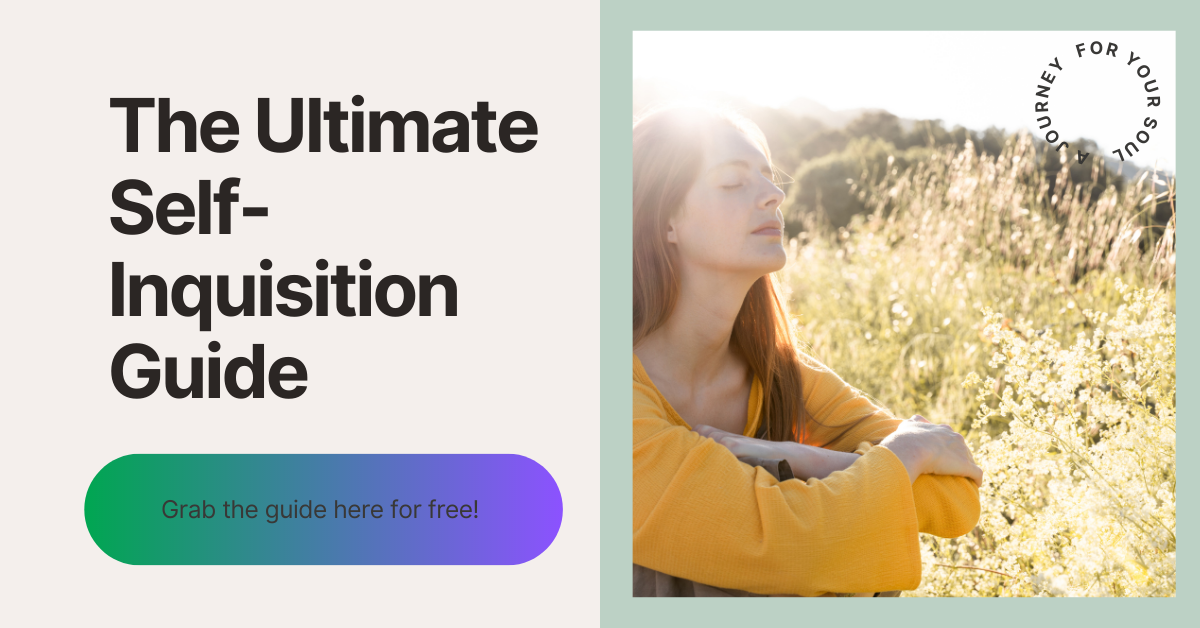
I have another great tool for you. It’s myUltimate Self-Inquisition Guide. It’s a 28 page contemplative workbook. It offers a series questions meant to help you self reflect and teach you the art of self discovery.
FAQ About Beginner Spirituality
What is the best way to start a spiritual journey? The best starting point is self-reflection. Begin by asking yourself what you believe, what brings you a sense of meaning and purpose, and what you feel drawn to explore. From there let your curiosity guide you. There is no single right path.
How long does it take to develop a spiritual practice? There is no timeline. Some people feel a shift within days of beginning a consistent practice. Others take years to find their footing. What matters most is consistency and genuine intention rather than speed.
Can I be spiritual without being religious? Absolutely. Spirituality and religion are not the same thing. Many people have deeply meaningful spiritual lives with no religious affiliation at all. Spirituality is about your personal relationship with something greater than yourself however you define that.
What is the difference between mindfulness and spirituality? Mindfulness is a practice of present-moment awareness that can be entirely secular. Spirituality is a broader orientation toward meaning, purpose, and connection with something greater than yourself. The two overlap significantly and mindfulness is one of the most powerful tools available for deepening a spiritual practice.
How do I know if I am making spiritual progress? Spiritual progress often shows up not as dramatic revelations but as subtle shifts. You become less reactive. You feel more at peace. You trust yourself more. You are more compassionate with yourself and others. You feel more connected to life. These quiet changes are the real markers of growth.
What if I feel lost or confused on my spiritual journey? That is completely normal and it is actually a sign that you are growing. Confusion and disorientation often precede real breakthroughs on the spiritual path. Lean into silence, return to self-reflection, and trust that the path is unfolding exactly as it needs to.
Spirituality is not something you arrive at. It is something you return to, again and again, in a thousand different ways over the course of a lifetime. Start where you are. Trust what you feel. The guru within you already knows the way.
And if you want a structured companion for the inner work, my Self-Love Workbook was created for exactly this kind of journey.