I know all too well how hard it is to detach from someone. If you are stuck and struggling right now know that you are not alone. I have been there. And I want to help you find your way through this with some practical guidance that actually works.
The good news is that detaching from someone does not mean you have to stop caring or pretend the connection was not real. It means learning to honor yourself more than you honor the hold someone else has on you.

Table of Contents
- Understanding Emotional Attachment
- Recognizing When You Need To Detach
- How To Detach From Someone: 6 Steps That Actually Work
- Overcoming Setbacks Along The Way
- Celebrating Your Growth
- FAQ
Understanding Emotional Attachment
At its core emotional attachment is the strong bond between us and someone else that can sometimes hinder our own wellbeing. This attachment might stem from a romantic partner, a friend, or even a situation. Emotional attachment is not inherently negative, but when it becomes overwhelming and starts to work against your own peace and growth it is time to seek balance.
For a deeper understanding of why we hold on the way we do, this post on what you allow will continue gets to the heart of the patterns that keep us stuck. And if obsessive thinking is part of what you are experiencing, these 14 things to stop thinking about someone offer practical steps you can take right now.
Recognizing When You Need To Detach
Spotting the signs of unhealthy attachment is the first step. Ask yourself honestly: are you losing your sense of self? Are you struggling to focus on your own goals and your own life? Are you constantly seeking validation or reassurance from this person?
If the answer is yes it is time to acknowledge that detachment is essential for your growth and your happiness. Your survival is not dependent on another person. You will find a way through this.
How To Detach From Someone: 6 Steps That Actually Work
1. Self-Reflection and Awareness
Start by looking within. Understand your emotions and the triggers that lead you to over-attach. Journaling and mindfulness are powerful tools for this. Self-awareness is your compass when you are navigating a sea of emotions.
My free Ultimate Self-Inquisition Guide is a 28-page contemplative workbook designed to help you do exactly this kind of honest inner inquiry. It is one of the most powerful tools I have created for going deeper with yourself.
2. Setting Boundaries
Boundaries are your lifelines when it comes to detachment. Create clear boundaries to protect your energy and your time. Communicate openly and honestly with the person you are detaching from where that is possible. This is an act of self-love and you deserve it. For more on how to set boundaries without feeling like you are being cruel or cutting people off, check out this powerful conversation on setting healthy boundaries with Dr. Leslie Dobson.
3. Shifting Your Focus
Redirect your energy toward your passions, your hobbies, and the things that light you up. By nurturing yourself you naturally create space for detachment. Your individuality is a treasure. Self-care is not optional in this process, it is essential. For inspiration on building a genuine self-care practice check out these 9 mindful self-care practices.
4. Practicing Mindfulness
Mindfulness is one of the most powerful tools available for breaking the cycle of obsessive attachment. Embrace the present moment. Try grounding exercises and meditation. Mindfulness allows you to step back from habitual thought patterns and create space between you and the feelings that have been running the show. For more on building a mindfulness practice explore the mindfulness resources on Blossom Your Awesome.
5. Gradual Disengagement
Detachment does not happen overnight. It is a journey. Gradually reduce excessive contact. Allow yourself to adapt to the changes slowly. It is okay to feel a mix of emotions throughout this process. That is not failure. That is transformation happening in real time.
6. Seeking Support
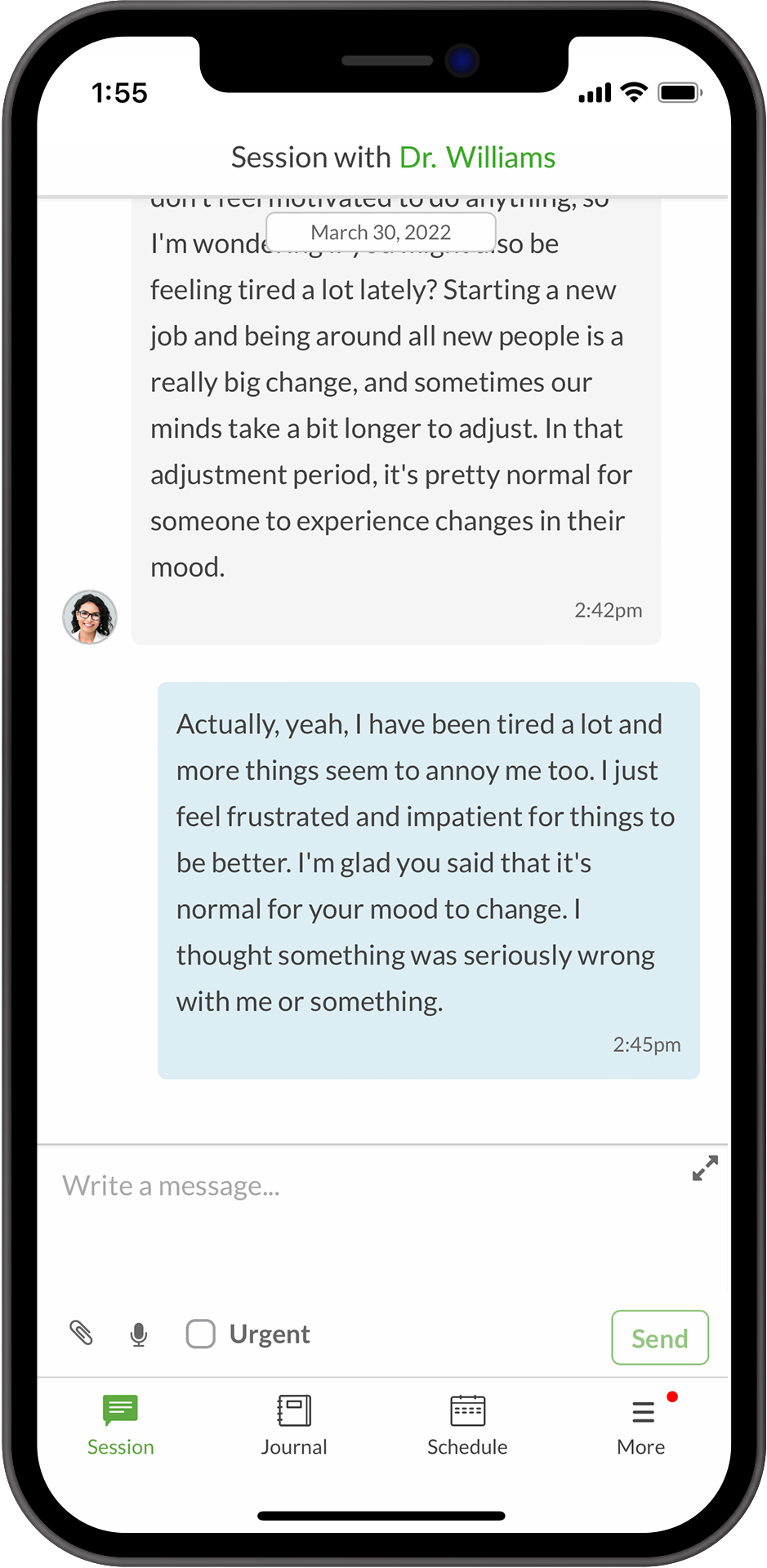
You are not alone on this journey. Reach out to friends, family, or professionals. Therapy and counseling can provide invaluable guidance and a safe space to process what you are going through. Seeking help is a sign of strength not weakness.
If you are interested in professional support BetterHelp offers online therapy with over 25,000 licensed therapists at an accessible price point. I am proud to be sponsored by them because I genuinely believe in what they do. If your first therapist is not the right fit you can switch at any time at no charge.
Overcoming Setbacks Along The Way
Detachment comes with challenges. Setbacks and relapses are part of growth not signs that you are failing. When you stumble stand back up. Every time you choose yourself over the pull of that attachment you are building something real. This journey is a testament to your resilience.
Celebrating Your Growth
As you start detaching you will begin to unlock doors to personal growth you did not even know were there. A renewed sense of self. Enhanced wellbeing. Emotional freedom that feels like breathing again for the first time in a long time.
That is what is waiting for you on the other side of this. And you are closer than you think.
FAQ
How do you detach from someone you love? Detachment does not mean you stop loving someone. It means you love yourself enough to stop allowing a connection that is hurting you to continue running your life. It starts with self-awareness, honest boundaries, and a gradual shift of your energy back toward yourself and your own growth.
How long does it take to emotionally detach from someone? There is no set timeline. It depends on the depth of the connection and the inner work you are willing to do. Consistency matters more than speed. Small daily choices to redirect your energy and honor your own needs add up over time into real and lasting freedom.
Is it possible to detach from someone without cutting them off completely? Yes. Detachment is an internal process first. You can reduce contact gradually and still maintain compassion for the other person. The goal is emotional freedom not necessarily total removal of someone from your life, though sometimes that is also the right call.
What is the difference between detachment and not caring? Detachment is not indifference. It is the ability to care about someone without being controlled by that caring. It is loving with an open hand rather than a clenched fist. True detachment actually comes from a place of deep self-respect and peace rather than coldness.
Can mindfulness really help with emotional detachment? Absolutely. Mindfulness teaches you to observe your thoughts and feelings without being swept away by them. Over time that creates a kind of inner spaciousness where you are no longer at the mercy of every thought about this person. It is one of the most powerful tools available for exactly this kind of work.
Detachment is a gift you give yourself. You have the power to detach with love and compassion and to come out the other side more whole than you were before. Stay mindful, keep going, and keep blossoming your awesome.
For more on this watch my video: When I Can’t Stop Thinking Of Someone Are They Thinking Of Me Too
For More Support, While You Detach Here Is A Great Resource
If you’re interested in learning more about online therapy, I recommend checking out BetterHelp. They offer online therapy sessions with licensed therapists at an affordable price point.
As you know I’m a huge proponent of mental wellness and ensuring we all get the help we need when we need it. And of course, I don’t want you just to get any help I want you to get the right help so I am now sponsored by BetterHelp.
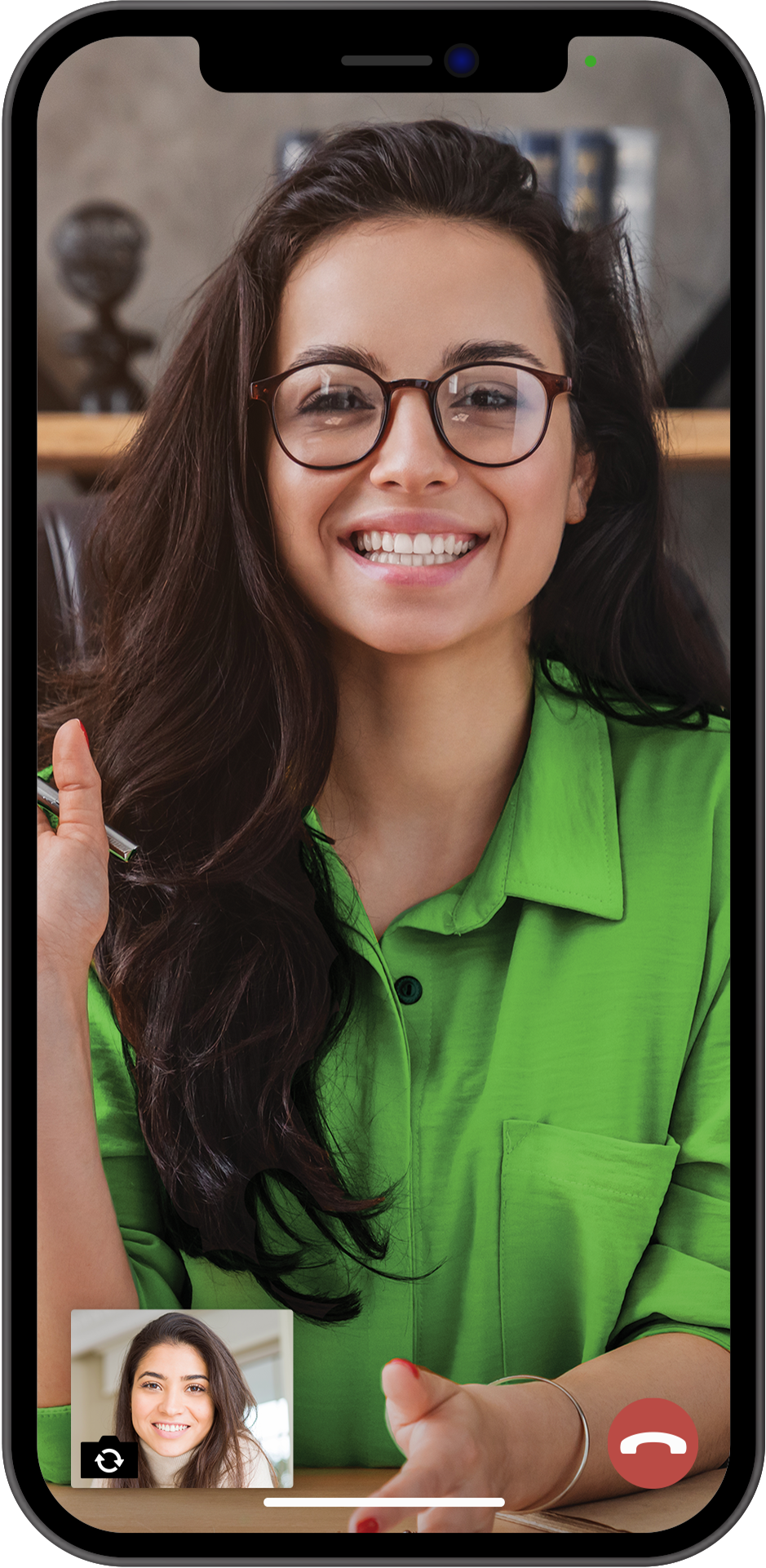
BetterHelp is the world’s largest therapy service, and it’s 100% online.
BetterHelp offers a network of over 25,000 licensed and experienced therapists who can help you with a wide range of issues.
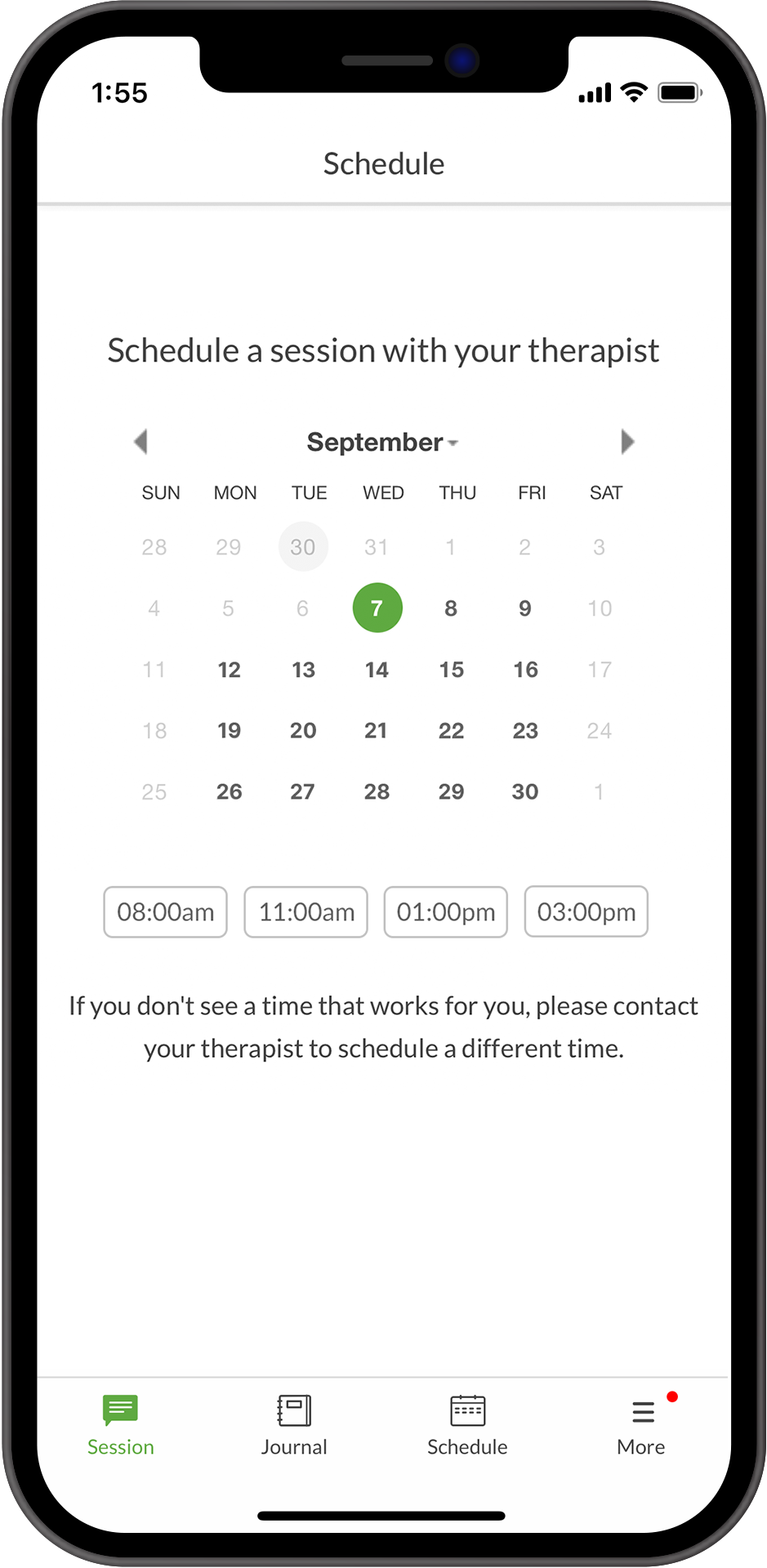
Just click on the link below, answer a few questions, and get matched with a therapist from the network.
One of the most amazing features of BetterHelp, if you don’t jive with your therapist you can switch to a new one that’s a better fit for you any time free of charge.
With BetterHelp, you get the same professionalism and quality you expect from in-office therapy, but with a therapist who is custom-picked for you, more scheduling flexibility, and at a more affordable price.
Absolutely! Therapy is an incredible tool for detachment and healing. A professional therapist offers a safe space to explore your emotions, thought patterns, and attachment behaviors. You will gain guidance, coping strategies, and a fresh perspective. Therapy can help you navigate the detachment journey with expert support, fostering healthier relationships with others and yourself.
Click on the link below to get started with Better Help.