We talk a lot about the obvious self-limiting beliefs, the ones you can name when asked. But the sneakiest beliefs? They’re the ones hiding in plain sight, disguised as personality traits, virtues, or just “the way things are.”
As someone who has worked with countless people through personal transformation, I’ve noticed that it’s often these quieter, more subtle beliefs that do the most damage, precisely because we never think to question them.
So let’s shine a light on seven of the most insidious self-limiting beliefs I see holding brilliant, capable people back. And more importantly, let’s talk about how to break free.

1. “I don’t want to seem arrogant.”
This one hides brilliantly behind the mask of humility. You downplay your achievements, deflect compliments, and shrink your ambitions all in the name of staying “grounded.” But here’s the thing: there’s a massive difference between arrogance and confidence, and this belief often keeps you from expressing either.
Owning your gifts isn’t bragging. Sharing your accomplishments isn’t showing off. And stepping into your full potential isn’t ego, it’s responsibility.
How to break free: Start noticing the difference between sharing and boasting. Practice saying “I’m proud of this” without the apologetic follow-up. Confidence that lifts others up is never arrogance and the world needs more of yours.
2. “I need everyone to approve of this.”
This belief is the silent killer of bold decisions. You have a big idea, a life change, a dream and before you even fully explore it for yourself, you’re already running it by others. And when you don’t get universal enthusiasm, the idea quietly fades.
The truth is, not everyone will understand your vision and they don’t have to. People can only offer perspective from where they stand, and most people have never been where you’re trying to go.
How to break free: Ask yourself, “Would I still do this if no one approved?” If the answer is yes, that’s your signal. Seek counsel from people who have done what you’re trying to do, not just anyone who will listen.
3. “I’m just not that kind of person.”
Identity-based beliefs are some of the stickiest. “I’m not a risk-taker.” “I’m not the creative type.” “I’ve never been good at that.” These statements feel like facts, but they’re just stories, usually ones we picked up from other people or formed from a handful of past experiences.
The danger here is that identity-based beliefs feel like they’re protecting us from disappointment. If I’m “just not that kind of person,” I never have to try and find out. But that protection comes at an enormous cost.
How to break free: Swap “I am” for “I haven’t yet.” Instead of “I’m not a confident speaker,” try “I haven’t yet developed my confidence as a speaker.” That tiny shift opens a door.
4. “If it were meant to be, it would be easier.”
We live in a culture that loves the idea of “effortless flow,” and while alignment and ease are real, this belief turns struggle into a stop sign. Whenever something gets hard, you take it as a sign you’re on the wrong path and abandon ship just before the breakthrough.
The most meaningful things in life, deep relationships, meaningful careers, genuine growth, all require real effort. Difficulty isn’t a red flag. It’s often confirmation that you’re doing something worth doing.
How to break free: Separate resistance from misalignment. Ask yourself: “Am I struggling because this is wrong for me, or because it’s stretching me?” Growth is meant to feel uncomfortable. That discomfort is your edge and your edge is where change happens.
5. “I’ll be happy when…”
“I’ll be happy when I get the promotion.” “I’ll feel good about myself when I lose the weight.” “I’ll start living my life when the timing is right.” This conditional happiness is one of the most quietly devastating beliefs there is, because the goalposts never stop moving.
This belief puts your joy in a perpetual future state and keeps you from fully inhabiting your life right now. And the painful irony? When you do reach the goal, you often don’t feel the way you thought you would because happiness was never waiting there to begin with.
How to break free: Practice finding one thing each day that you genuinely appreciate about where you are right now. This isn’t about toxic positivity. It’s about refusing to outsource your joy to a future version of your life.
6. “I’m too sensitive/emotional.”
How many times have you apologized for caring deeply? For feeling things strongly? For tearing up at something meaningful? Our culture has long treated emotional sensitivity as a weakness, particularly in professional settings, and many of us have internalized that message completely.
But sensitivity is a superpower. Highly sensitive people are often the most empathetic leaders, the most creative thinkers, and the most deeply connected humans in any room. The problem was never your sensitivity. The problem is the story you’ve been told about it.
How to break free: Start reframing. Replace “I’m too sensitive” with “I feel deeply, and that’s a gift.” Notice all the ways your emotional attunement has helped you connect, create, and lead. Then own it.
7. “Other people have it so much harder. I have no right to struggle.”
Comparison-based guilt is a particularly sneaky belief because it masquerades as perspective and gratitude. Yes, awareness of privilege is important. But using other people’s suffering to invalidate your own is not perspective, it’s self-abandonment.
When you dismiss your own struggles as “not bad enough” to deserve attention or support, you cut yourself off from the help, healing, and growth you need. Pain isn’t a competition. Your experience is valid simply because it’s yours.
How to break free: Practice this: “My struggles are real and worthy of attention, AND I hold compassion for those who have it harder.” Both can be true at once. Compassion for others never requires the erasure of yourself.
The Path Forward
These beliefs are subtle precisely because they feel so reasonable. They sound like wisdom, humility, or just self-awareness. But when you look closely, they all share the same result: they keep you playing smaller than you’re meant to play.
The work isn’t about bulldozing these beliefs overnight. It’s about gently noticing them when they arise, getting curious about where they came from, and slowly, consistently choosing a different story.
Which of these resonated most with you? I’d love to hear in the comments below. And if this was helpful, share it with someone who might need this reminder today.
For more inspiration listen in to this episode here on the Blossom Your Awesome podcast, Ace Your Life with Dr. Michelle Maidenberg.
A Great Resource To Help You Work Through These Beliefs
As you know I’m a huge proponent of Mental Wellness and ensuring we all get the help we need when we need it. And of course, I don’t want you just to get any help I want you to get the right help so I am now sponsored by BetterHelp.
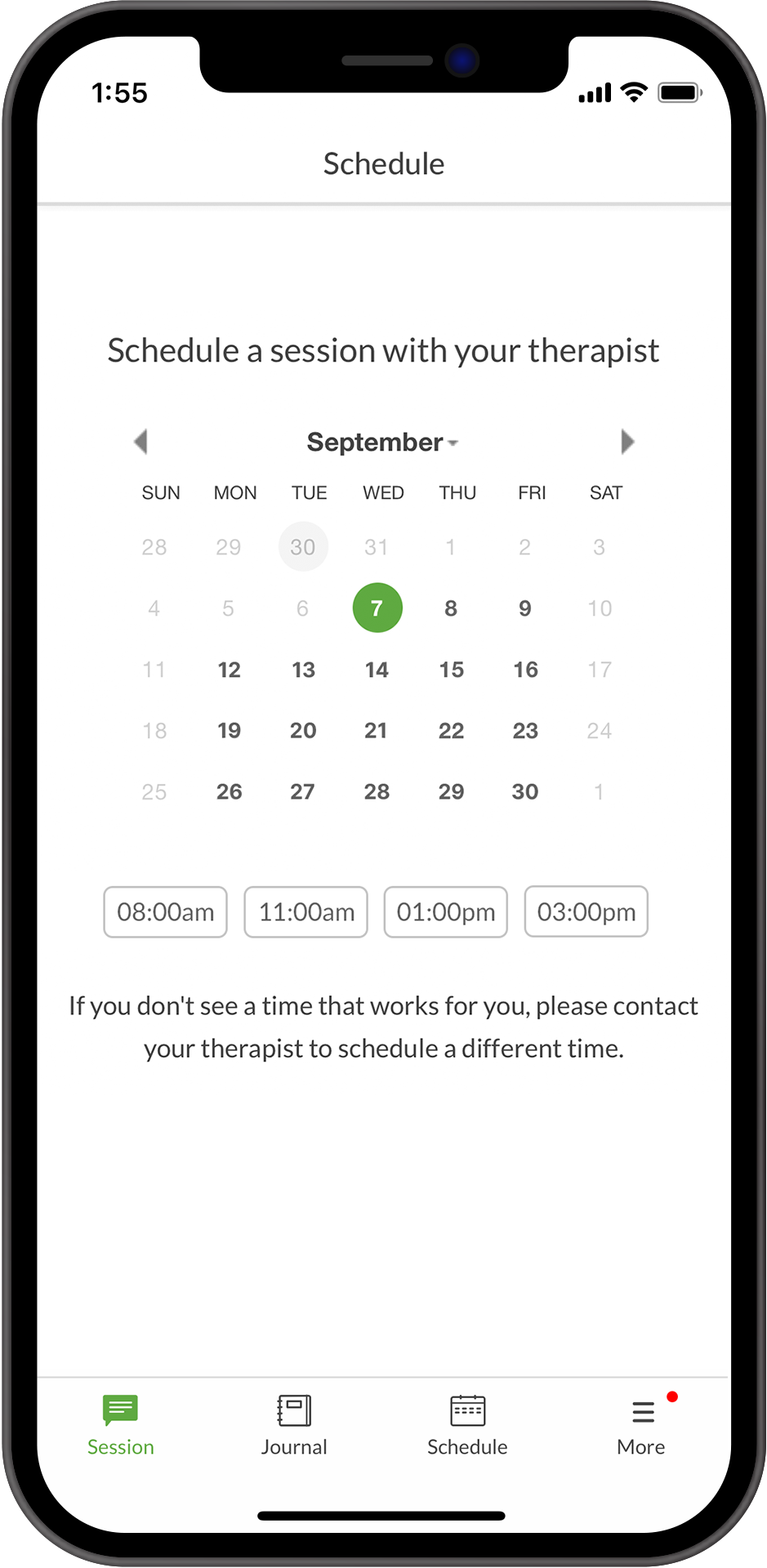
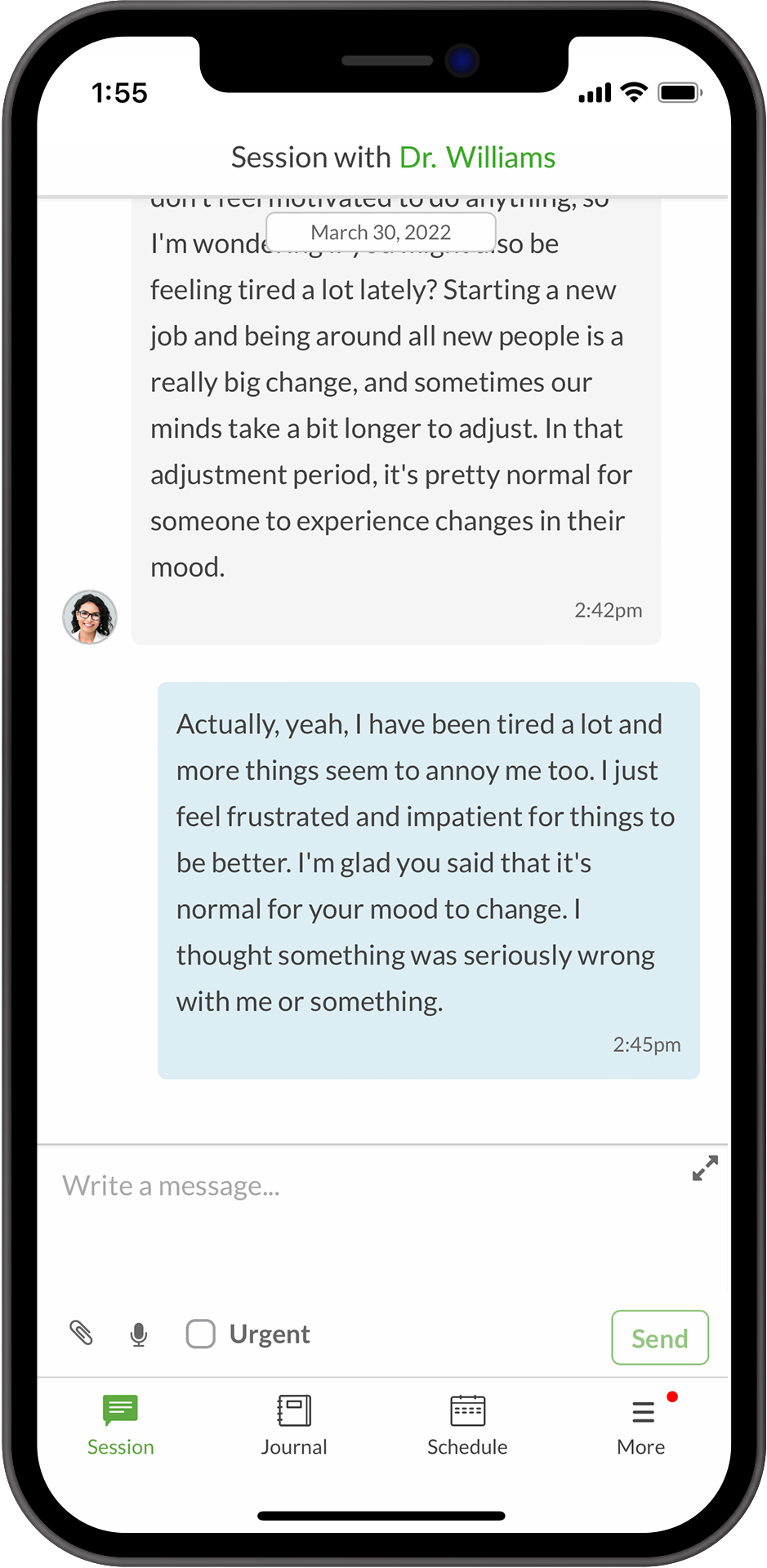
BetterHelp is the world’s largest therapy service, and it’s 100% online. With BetterHelp, you get the same professionalism and quality you expect from in-office therapy, but with a therapist who is custom-picked for you, more scheduling flexibility, and at a more affordable price.
One of the most amazing features of BetterHelp: if you don’t jive with your therapist you can switch to a new one that’s a better fit for you any time free of charge.
CLICK HERE FOR 10% OFF YOUR FIRST MONTH WITH BETTERHELP USING THIS LINK!
For more inspiration listen in to this episode here on the Blossom Your Awesome podcast Ace Your Life with Dr. Michelle Maidenberg.
A Great Resource To Help You With Self-Limiting Beliefs