
There is a reason mindfulness and meditation keep showing up everywhere you look. On your phone, in your doctor’s office, at work, in school, in every corner of the wellness world. This is not a trend. It is not a buzzword that is going to fade by next year. It is one of the most powerful things a human being can do for themselves, and decades of science and millions of lived experiences back that up completely.
But here is what gets lost in all the noise. Mindfulness and meditation are not complicated. They are not reserved for monks or yogis or people with hours to spare. They do not require an app, a cushion, or a perfectly quiet room. They require nothing more than a willingness to sit down, close your eyes, and simply be.
I have been writing about wellness, self-improvement, and mental health on this self-help blog for years. And of all the topics I return to again and again, mindfulness and meditation are the ones I believe in most deeply. Not because I discovered them the hard way, but because I was lucky enough to grow up around them. And everything I have watched them do, for me and for the people I have worked with over three decades, tells me this is the one practice that changes everything else.
If you are brand new to this, welcome. If you have tried before and felt like you were doing it wrong, you were not. And if you have been curious but kept putting it off, this is your sign. There is no perfect moment to begin. There is only now.
- What Mindfulness and Meditation Actually Are
- How This Practice Became Part of My Life
- The Science Behind Why It Works
- The Biggest Myths About Mindfulness and Meditation
- How to Start a Mindfulness and Meditation Practice Today
- Bringing Mindfulness Into Everyday Moments
- What Consistent Practice Actually Does to Your Life
- Mindfulness, Meditation and Your Mental Wellness
- Mindfulness, Meditation and Your Physical Health
- Techniques to Try Right Now
- Building a Practice That Lasts
- Frequently Asked Questions
- Final Thoughts
What Mindfulness and Meditation Actually Are
These two words get used interchangeably, but they are not exactly the same thing and understanding the difference helps you build a stronger practice.
Mindfulness is the broader concept. It is the state of being fully present in the current moment, aware of what is happening inside and around you without judgment. It is not something you do only when you sit down to meditate. It is a quality of attention you can bring to anything, eating, walking, listening, breathing, working.
Meditation is one of the most powerful tools for cultivating that quality of attention. When you sit down, close your eyes, and focus on your breath for five or ten or thirty minutes, you are training your mind the same way an athlete trains a muscle. You are building your capacity for presence, for calm, for the kind of awareness that carries into every part of your life.
Together they are not a practice. They are a way of living.
It is not about emptying your mind. It is not about achieving some state of bliss where no thoughts ever surface. Thoughts will come. That is what minds do. What mindfulness and meditation teach you is how to notice thoughts without being pulled under by them. You observe, you return, you continue. That is the entire practice in three steps.
It is not a religion, though it has roots in Buddhist traditions going back thousands of years. It is not therapy, though it works powerfully alongside it. You do not have to be spiritually inclined to benefit. You simply have to be willing to show up, sit down, and give yourself a few minutes of stillness.
If you want to go deeper into specific techniques right away, the post on 7 Mindfulness Techniques to Add to Your Daily Routine is a great companion to this one.
How This Practice Became Part of My Life
My path to mindfulness and meditation was unusual. I did not stumble into it after a breakdown or discover it on a wellness retreat in my thirties. I was born into it.
My parents were active meditators who did a lot of yoga. I could see they were vibrant and healthy. Without having to discover these practices by accident or be force-fed their benefits, I just knew them from an early age. I was always drawn to stillness. I started meditating in my early twenties.
But even before that, there were moments where I could feel the power of silence. Of pausing. Of closing my eyes and tuning out the noise, or rather tuning in to something deeper. Even as a young person I understood intuitively how powerful it was to just stop. To breathe. To be.
That is the distinction I want you to understand from the beginning. Mindfulness is not an intellectual exercise. You do not think your way into its benefits. You feel your way there. The knowing comes through the doing, through the sitting, through the breathing, through returning again and again to this moment right here.
I started with five minutes a day. Now, three decades later, I meditate at least twice a day for thirty minutes, and some days more. I have always known and sensed how utterly powerful and life-changing it is to awaken this level of calm within. Not because someone told me it was powerful, but because I have lived it every single day.
The Science Behind Why It Works
You do not have to take anyone’s word for it. Decades of research have caught up to what meditators have known for centuries.
Studies from Harvard Medical School have shown that regular mindfulness practice literally changes the structure of the brain. The amygdala, the region responsible for triggering the stress response, shrinks with consistent meditation. The prefrontal cortex, the area linked to focus, decision-making, and emotional regulation, grows thicker. Your brain physically rewires itself toward calm.
Research published in major medical journals has found that mindfulness-based interventions reduce symptoms of anxiety, depression, and chronic pain. The American Heart Association has acknowledged connections between meditation and lower blood pressure and reduced cardiovascular risk.
This is not soft science. This is neuroscience and biology confirming what ancient wisdom already knew.
The reason it works comes down to the nervous system. Most of us spend the majority of our lives in a low-grade state of stress activation, fight or flight on a slow simmer. Mindfulness and meditation activate the parasympathetic nervous system, the rest and restore response. They tell your body at a biological level that you are safe. And from that state of safety, everything changes. You think more clearly. You feel more deeply. You respond rather than react.

The Biggest Myths About Mindfulness and Meditation
If you have tried before and felt like you were failing at it, you were not failing. You were just carrying beliefs that made it harder than it needs to be. Let us clear those up.
Myth 1: It Is Too Hard
This is the most common thing I hear. And I understand it completely. We have built meditation up into something enormous and serious and difficult. But the truth is it is effortless. There is nothing to do. You just have to surrender to the nothingness rather than get overwhelmed by the idea of how impossible it seems.
Myth 2: You Have to Turn Your Brain Off
You do not. Your brain will think. That is its job. The practice is not about stopping thoughts. It is about noticing them without chasing them down every rabbit hole. You observe, you return to your breath, you continue. That returning is the entire practice.
Myth 3: You Have to Be a Spiritual Person
You do not need to be a vetted yogi from the Himalayas to sit in silence. You do not need a certification, a guru, a special cushion, or any belief system at all. You need a timer and a willingness to close your eyes. That is genuinely all.
Myth 4: It Takes Too Long to Work
Most people feel a shift within days of consistent practice. Not months. Days. More calm. More present. Less reactive. The nervous system responds quickly when you give it what it needs.
Myth 5: I Do Not Have Time
You have five minutes. Everyone does. The question is what you are doing with them right now. Swapping five minutes of scrolling for five minutes of breathing is not a sacrifice. It is one of the best trades you will ever make.
Myth 6: It Is Only for Stressed Out People
Mindfulness is not just a stress management tool, though it is extraordinary at that. It is a practice for living more fully. For being more present with the people you love. For tasting your food and feeling the sun and hearing music the way it deserves to be heard. Stressed or thriving, this practice makes your life richer.
How to Start a Mindfulness and Meditation Practice Today
You do not need perfect conditions. You do not need to wait until life slows down. You can start right where you are with exactly what you have.
Start Incredibly Small
One minute. Three minutes. Five minutes. That is enough. The goal on day one is not duration. The goal is simply to begin. Small and consistent always wins over ambitious and inconsistent.
Learn to Meditate in 3 Easy Steps walks you through exactly how to get started if you want a simple framework to follow.
Pick One Time and Protect It
Morning works best for most people because your mind has not yet accumulated the weight of the day. Instead of reaching for your phone to check social media, reach for it to set a five-minute timer. Close your eyes. Just sit.
If mornings are not realistic, your lunch break works beautifully. Put your phone away for a few minutes. Do nothing. That is the practice.
Find a Comfortable Position
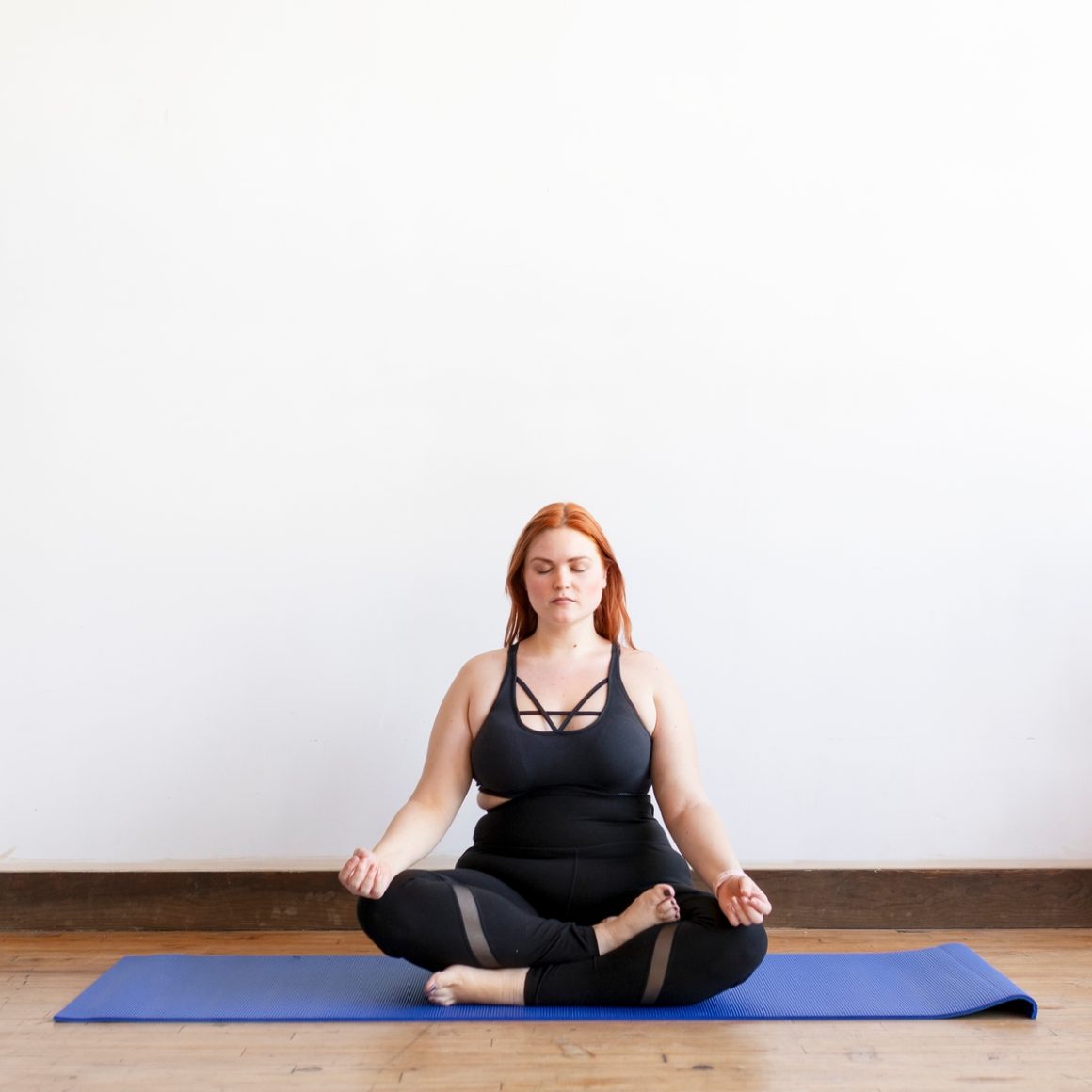
You do not need to sit cross-legged on the floor. A chair with your feet flat on the ground works perfectly. Comfort matters. You want to be relaxed enough to stay still and alert enough not to drift off.
Focus on Your Breath
Your breath is your anchor. It is always with you, always available, and it always brings you back to now. When you sit down to practice, simply notice the natural rhythm of your inhale and exhale. You are not trying to breathe in any special way. You are just noticing that you are breathing.
Let Go of Doing It Right
If you sat down, closed your eyes, your mind wandered a hundred times, and you brought it back a hundred times, you did it right. That returning is the practice. There is no other standard to meet.
Make It Your Effortless Daily Treat
Do not stress over it. Invite it in. Let it be your effortless little treat to yourself every single day. No phone. No scrolling. No explaining. Just a few quiet minutes to be with your breath and yourself.
For more on building the habit, My 3 Meditation Essentials covers exactly what I recommend for making this practice sustainable.
Bringing Mindfulness Into Everyday Moments
Formal meditation is powerful. But mindfulness does not have to stop when you open your eyes. You can bring it into everything.
The post on 9 Mindful Self-Care Practices goes deep on this, but here are the most accessible entry points.
Mindful Breathing
One conscious breath in a stressful moment can shift the entire direction of your day. You do not need to carve out time. The breath is always there.
Mindful Eating
Put down the phone. Turn off the screen. Taste your food. Notice texture, temperature, flavor. This is one of the most underused and most enjoyable forms of mindfulness available to anyone.
Mindful Listening
When someone is talking to you, really listen. Not to respond. Not with one eye elsewhere. Just listen. It transforms relationships almost immediately.
Mindful Communication
How you speak is as important as what you say. Mindful Communication Training explores how bringing presence into the way you communicate changes everything from your closest relationships to how you show up professionally.
Mindful Walking
Walking outside with your senses open, noticing what surrounds you instead of running through your mental to-do list, is a moving meditation. It counts completely.
The Pause Before Responding
Before you send that text, make that call, or answer that question, take one breath. You will be amazed at how different your response becomes when you give yourself that single moment of space.
What Consistent Practice Actually Does to Your Life
The changes that come from consistent mindfulness and meditation practice are not just about managing stress in the moment. They are structural. They change who you are at a baseline level.
Here is what three decades of daily practice has done for me, and what I watch it do for the people I work with.
Greater presence in every moment, whether alone or with others. More alertness and sharpness throughout the day. Less reactivity and more thoughtful, responsive communication. More patience. More compassion. Reduced anxiety and a quieter mind. A deeper sense of self-awareness and self-respect because you are doing this loving thing for yourself every single day.
You become more loving because you are more feeling. You become more feeling because you are more present. And you become more present because you have trained yourself, one breath at a time, to return to now.
That is what this practice gives you. And it belongs to everyone willing to start.
Mindfulness, Meditation and Your Mental Wellness
The research on mindfulness and mental health is among the strongest in the wellness space. Regular practice reduces symptoms of anxiety and depression, improves emotional regulation, and builds the kind of resilience that holds up under real pressure.
But beyond the research there is something more personal at work. When you sit in stillness regularly, you begin to know yourself differently. You notice patterns in your thinking that you never saw before. You catch the anxious spiral earlier. You recognize triggers before they take over. And from that recognition comes real choice.
If anxiety is something you are working through, 25 Mantras for Anxiety pairs powerfully with a meditation practice. Mantras and meditation interrupt anxious thought loops and return you to center together.
For deeper healing work alongside your practice, the Self-Love Workbook is a guided journal designed to walk you through healing, building confidence, and reconnecting with yourself. It pairs naturally with mindfulness because both are acts of turning inward with intention and care.
You can also explore Therapeutic Mindfulness for Healing for a deeper look at how mindfulness is used specifically for emotional healing and trauma recovery.
Mindfulness, Meditation and Your Physical Health
The mind and body are not separate systems. What happens in one happens in the other.
Chronic stress floods the body with cortisol. The immune system weakens. Inflammation rises. Sleep suffers. Blood pressure climbs. The body spends its resources surviving rather than thriving.
Mindfulness and meditation interrupt that cycle. By regularly activating the parasympathetic nervous system, they signal to the body that it is safe to restore and repair. Research links consistent practice to lower blood pressure, better sleep, reduced chronic pain, stronger immune function, and improved gut health.
Taking care of your mind is taking care of your body. They cannot be separated and this practice honors both at once.
Techniques to Try Right Now
No preparation needed. These work today.
1. The Five-Minute Morning Sit
Before you touch your phone, set a timer for five minutes. Sit comfortably, close your eyes, breathe. When your mind wanders, return. That is the whole practice. The 5 Minute Morning Meditation gives you a guided version if you want support.
2. Box Breathing
Inhale four counts. Hold four counts. Exhale four counts. Hold four counts. Repeat. This activates the parasympathetic nervous system almost immediately and works anywhere, at your desk, in your car, before a hard conversation.
3. The Body Scan
Starting at the top of your head, move your awareness slowly down through your body. Notice tension, sensation, anything asking for attention. Do not try to fix anything. Just notice. This practice builds body awareness and releases tension you did not know you were holding.
4. Mindful Walking
Phone in your pocket, senses open. Notice five things you can see, four you can hear, three you can feel, two you can smell, one you can taste. Fully present in under ten minutes.
5. The One-Breath Reset
Before anything difficult, one slow intentional breath. Inhale through your nose, exhale through your mouth. That single breath is a complete mindfulness practice and it changes everything that comes after it.
6. Gratitude Awareness
Before sleep, bring three small things to mind that you noticed and appreciated today. Not big things. Small ones. This trains the mind toward presence and away from anxious scanning.
7. Mindful Journaling
Five minutes of free writing after your morning sit. No editing, no judgment. Whatever comes out comes out. This pairs beautifully with the reflective prompts in the Self-Love Workbook.
Building a Practice That Lasts
Anchor It to Something You Already Do
Attach your practice to an existing habit. Meditate right after brushing your teeth. Take one mindful breath every time you pour coffee. Use the existing structure of your day to hold the new practice in place.
Track It Simply
A checkmark on a calendar for each day you practiced is enough. Watching that streak build is genuinely motivating and seeing a gap is a gentle nudge without punishment.
Be Patient With Yourself
There will be days you skip. Weeks that fall apart. That is not failure. That is being human. The practice is not ruined by interruption. It is waiting exactly where you left it.
Grow at Your Own Pace
You do not need to reach thirty minutes twice a day to experience profound results. Five consistent minutes will change your life. Growth here is not linear and it is not a competition. It is entirely your own.
Frequently Asked Questions
What is the difference between mindfulness and meditation?
Mindfulness is the broader state of present-moment awareness you can bring to any activity. Meditation is a formal practice used to cultivate and strengthen that awareness. Think of meditation as the training and mindfulness as the result you carry through your whole day.
How long does it take to see results?
Most people notice a shift within a few days of consistent practice. Not months. Reduced reactivity, more calm, greater presence. The nervous system responds quickly when you give it what it needs.
Do I have to sit still?
Not at all. Walking, eating, listening, breathing consciously while doing dishes, all of these are mindfulness practices. Seated meditation is one powerful tool among many.
What if my mind keeps wandering?
It will. Always. That is not a problem. The moment you notice it has wandered and you bring it back, that is the practice working exactly as it should. There is no such thing as a perfect meditation session.
Do I need any special equipment?
Nothing. No app, no cushion, no special clothing or setting. A few minutes and a willingness to sit are all you need.
Can mindfulness help with anxiety?
Yes, and the research is strong on this. Regular practice reduces the intensity and frequency of anxious thoughts, builds emotional regulation, and helps retrain the nervous system away from chronic stress activation. It does not eliminate difficult emotions but it fundamentally changes your relationship to them.
What is the best time of day to practice?
The best time is the time you will actually do it consistently. Morning works well for most people because it sets the tone for the entire day. But lunch, evening, or any consistent moment that belongs to you works equally well.
Can children practice mindfulness?
Absolutely. Mindfulness is taught in schools around the world with remarkable results for attention, emotional regulation, and resilience. Simple breathing exercises work beautifully for children of any age.
How do I know if my practice is working?
You will feel it before you can name it. A little more space between a trigger and your reaction. A slightly quieter mental landscape. A moment where you notice you are actually here, in this moment, rather than somewhere else in your head. Those are the signs.
Final Thoughts
You can start right where you are. No expectations. No boxes to tick. Just a simple, loving act toward yourself.
What is waiting on the other side of this practice is real. Some of your anxious fears and thoughts will begin to fade into the background. You will find yourself more alert, more present, more at ease throughout the day. A sense of deep calm will begin to settle over you in a way that is almost impossible to describe until you have felt it.
That calm is not something you have to earn or achieve or become worthy of. It is already inside you. Mindfulness and meditation simply help you find your way back to it.
Start small. Stay consistent. Let it be effortless.
And when you are ready to pair this inner work with deeper reflection and healing, the Self-Love Workbook is a beautiful place to go next.
More Posts You Will Love
Learn to Meditate in 3 Easy Steps
Therapeutic Mindfulness for Healing