

Mental clutter is overwhelming. And I mean that in the most personal and visceral way. For me it can cause a complete shutdown. It is just too much and I literally cannot function when I have got too much going on. It is the same mental stuff on a loop, thoughts swirling, and that exact pattern kept me up with insomnia for years. When I am facing severe mental clutter I just freeze. I feel frozen. Like I cannot do or think a thing. I come to a complete standstill and have to reground to regain myself.
That is exactly why I lean so hard into wellness and why natural self-loving practices like pausing in the grass to ground or starting my morning with 15 minutes of silence are not optional for me. They are survival. And it is why I want to share everything I know about how to do a mental detox, because I have lived this from the inside out.
We live in an era of unprecedented mental stimulation. Our brains are going haywire with tasks and half-finished to-do-lists. We are stressed to the max, overwhelmed, and mentally exhausted. The average person encounters 5,000 advertisements daily, checks their phone 96 times, and processes 34 GB of information, enough to crash a laptop from the 1990s. Yet somehow we expect our brains to handle this cognitive overload without breaking down.
A mental detox is not about emptying your mind or escaping reality. It is about intentionally clearing the mental clutter that accumulates daily, much like tidying a room so you can actually use it effectively. When you detox your mind regularly you create space for creativity, clarity, and calm to emerge naturally. And when you are someone like me who shuts down under mental overload, that space is everything.
Table of Contents
- What Is A Mental Detox And What It Is Not
- Signs You Need A Mental Detox
- Step 1: Create Digital Boundaries
- Step 2: Practice Mindful Breathing
- Step 3: Emotional Journaling
- Step 4: Thought Downloads
- Step 5: Nature Breaks
- Step 6: Create Mental Whitespace
- Step 7: Intentional Input Management
- A Simple Daily Mental Detox Schedule
- Common Obstacles And How To Overcome Them
- Your 3 Day Mental Detox Challenge

What Is A Mental Detox And What It Is Not
A mental detox is the intentional practice of clearing accumulated mental clutter, the thoughts, emotions, information, and stress that build up in your consciousness like dust on a bookshelf. Just as physical detoxing helps your body eliminate toxins, mental detoxing helps your mind process and release psychological buildup.
A mental detox IS conscious mental housekeeping. It is a neurological reset that gives your brain’s default mode network a chance to settle and reorganize. It is emotional processing, creating space to feel, understand, and release emotions rather than suppressing or avoiding them. It is becoming intentional about what mental inputs you allow into your consciousness.
A mental detox is NOT emotional suppression or pretending everything is fine. It is not trying to stop thinking entirely, which is both impossible and unhealthy. It is not escapism or avoiding your responsibilities. And it is not an instant fix. Like physical detoxing, mental detoxing is a process. Benefits accumulate over time with consistent practice. Our post on 5 things that are good for mental wellness pairs beautifully with this as a starting point.
Signs You Need A Mental Detox
Your mind has ways of signaling when it is overwhelmed but we often ignore these signals until we are in full mental overload. Here are the signs to watch for across four categories.
Cognitive Signs
Decision fatigue where even simple choices feel overwhelming. Difficulty concentrating as your mind jumps between topics like a pinball. Mental fog where thoughts feel unclear or sluggish. A racing mind where your thoughts move so quickly you cannot follow them. Forgetfulness where you lose track of conversations mid-sentence or walk into rooms with no memory of why you are there.
Emotional Signs
Irritability where small annoyances trigger disproportionate reactions. Anxiety without a clear cause, just a background hum of unease that colors everything. Emotional numbness where you feel disconnected from your life like you are watching it from behind glass. Complete overwhelm where everything feels like too much. If anxiety is part of what you are dealing with our post on 7 subtle signs of anxiety you should not ignore is essential reading.
Physical Signs
Sleep disruption where your mind races when you try to sleep or you wake up feeling mentally exhausted despite adequate rest. Physical tension in your shoulders, jaw, or as tension headaches. Restlessness even when sitting still. And a deep fatigue that sleep does not fix because your mind never truly rests. I lived with this for years before I understood what was happening. Our post on anxiety rituals to calm anxiety fast addresses this kind of chronic mental and physical tension directly.
Behavioral Signs
Procrastination not because tasks are difficult but because thinking about them feels overwhelming. Mindless scrolling or binge watching used to avoid mental processing. Social withdrawal because interaction requires mental energy you simply do not have. If you recognize several of these signs your mind is likely carrying more clutter than it can comfortably handle. The good news is that a mental detox can help restore your natural clarity.

Step 1: Create Digital Boundaries
Our devices are the primary source of modern mental clutter. Every notification, every social media scroll, every news alert adds to your cognitive load. Research shows the average person checks their phone every 12 minutes and experiences anxiety when separated from their device for more than 6 minutes. This constant connectivity keeps your brain in a state of continuous partial attention, never fully focused, never fully relaxed.
Start small. Five minutes without your phone, then work up to 10 and 20 minute increments. Keep your phone out of the bedroom and do not check it for the first hour after waking. Turn off all non-essential notifications. Designate phone-free zones in your home. Establish a digital sunset time each evening when all screens go off. Our post on 5 reasons to do a digital detox for mental clarity goes deep into why this one step alone can be transformative.
Step 2: Practice Mindful Breathing
Breathing is the bridge between your conscious and unconscious mind. When your thoughts are scattered, returning to your breath creates an anchor point that helps settle mental chatter and restore clarity. Conscious breathing activates the parasympathetic nervous system which calms the fight or flight response that often accompanies mental overwhelm.
My own twice daily meditation practice, 15 minutes each morning and whenever stress peaks during the day, is built entirely around breath and stillness. It is one of the most powerful things I do for my mental health. Some techniques to try are 4-7-8 breathing where you inhale for 4 counts, hold for 7, and exhale for 8. Box breathing where you inhale for 4, hold for 4, exhale for 4, hold for 4. And belly breathing where you place one hand on your chest and one on your belly and breathe so only the bottom hand moves. Our post on mindfulness and meditation and how to build a practice that transforms your life will help you build this into a sustainable daily practice.
Step 3: Emotional Journaling
Emotions are data. But when they accumulate without processing they create mental clutter that clouds judgment and drains energy. Emotional journaling provides a structured way to process feelings and extract insights from your emotional experiences. Research on expressive writing shows that writing about emotional experiences for just 15 to 20 minutes can improve immune function, reduce anxiety, and enhance mental clarity.
Start by simply naming what you are feeling. Describe your emotional state honestly. Write letters to people or situations, you do not have to send them. End each session by noting something you are grateful for. Powerful prompts to work with include: what emotions am I carrying from today, what is this feeling trying to tell me, where do I feel this in my body, and what would I say to a friend experiencing this same thing. Our post on 50 self-love journal prompts that actually help you heal and our post on the healing power of therapeutic journaling are both incredible companions to this practice.
Step 4: Thought Downloads
Your mind produces thousands of thoughts daily but most of them recycle endlessly without resolution. Thought downloads involve rapidly capturing all your thoughts on paper to externalize them and create mental space. I do this first thing in the morning using the Julia Cameron Morning Pages technique and it genuinely changes the quality of my entire day.
Research on cognitive load demonstrates that unfinished thoughts consume mental energy even when you are not actively thinking about them. This is called the Zeigarnik Effect. Incomplete mental loops keep running in the background creating cognitive drag. Externalizing them onto paper signals to your brain that they have been captured and can stop running.
Set a timer for 10 to 15 minutes and write continuously without stopping to edit or organize. Include everything: tasks, worries, ideas, random thoughts, emotional reactions. Nothing is too small or silly. After the download take a break, then review what you wrote and circle items that require action. This practice connects deeply to the inner work we explore in our post on the transformative power of inner work.
Step 5: Nature Breaks
Nature has been my greatest healer and companion, offering me so much love and abundance. I plant myself in the grass to ground on stressful days. I take brisk 30 minute walks outside every single day. And it is not if I can get away, I force myself to go especially when I am extra busy because I always get more out of the rest of my day as a result.
Research backs this up completely. Spending time in nature improves working memory and attention by up to 20 percent. Natural environments also reduce rumination, the repetitive negative thinking that contributes significantly to mental clutter. Even looking at plants, watching clouds, or sitting by a window with a nature view can provide mental restoration. Our post on ways to feel grounded explores the specific practice of grounding in nature and why it works so powerfully for mental clarity.
Step 6: Create Mental Whitespace
Mental whitespace is unstructured time when your mind can wander freely without agenda or stimulation. Like white space in good design, mental whitespace makes everything else clearer and more impactful. Without it your brain does not get opportunities to process experiences, generate insights, or restore cognitive resources.
Block time in your calendar with no agenda. Start with 15 to 30 minutes of doing nothing specific. Instead of filling waiting time in traffic or in lines with your phone, use it as natural whitespace. Do one thing at a time without background stimulation. Eat without reading. Walk without podcasts. Drive without the radio. These small intentional gaps in stimulation are where your mind does its deepest restorative work. This is the foundation of what we talk about in our post on building a wellness routine that actually works for you.
Step 7: Intentional Input Management
What you consume mentally affects your mental state as much as what you consume physically affects your physical health. Constant exposure to negative news, social comparison, and information overload creates baseline anxiety and mental fatigue. Intentional input management means curating what you allow into your consciousness.
Choose specific times for news consumption rather than constant updates. Unfollow accounts that create comparison or negativity. Notice how different people affect your mental state and limit time with chronic complainers. Protect your mornings by avoiding negative or overwhelming inputs first thing when your mind is most receptive. Choose fewer higher quality books, podcasts, and articles rather than consuming large quantities of mediocre content. Our post on mental detox strategies and our post on 10 daily mental health habits offer even more ways to protect your mental space every day.

A Simple Daily Mental Detox Schedule
Creating a sustainable mental detox practice means integrating these techniques into your regular routine rather than treating them as one-time events. Here is a simple structure to start with.
In the morning spend 5 minutes on mindful breathing or meditation and 5 minutes on intention setting or a gratitude practice. At midday do a brief thought download if you are feeling overwhelmed and take a 5 minute nature break or mindful walk. In the evening spend 5 minutes on emotional journaling and 5 minutes on a digital sunset and mental whitespace. That is 15 to 30 minutes total and as I always say those 5 to 10 minutes give it back to you in spades. You are more focused, more grounded, more clear, and way more productive for everything that follows.
Common Obstacles And How To Overcome Them
If you find yourself saying you do not have time, remember that is just an excuse. We are all busy. Every single one of us has 5 minutes. And mental detox creates more time by improving your focus and decision making. Start there.
If your mind will not slow down, that is exactly why you need this practice. Start with thought downloads to externalize racing thoughts before anything else. If you feel guilty doing nothing, reframe mental whitespace as essential maintenance just like sleep or exercise. It is not laziness. It is how you stay functional and whole. If you are not seeing immediate results, know that mental detox benefits are subtle and cumulative. Track your baseline stress and focus over weeks not days.
Your 3 Day Mental Detox Challenge
Ready to experience the power of mental detoxing? Try this simple 3 day introduction.
On day one start with 5 minutes of mindful breathing in the morning, a 10 minute thought download in the afternoon, and create one digital boundary in the evening. On day two try 5 minutes of emotional journaling in the morning, a 10 minute nature break in the afternoon, and 15 minutes of mental whitespace in the evening. On day three combine breathing and gratitude in the morning, practice intentional input management in the afternoon, and in the evening reflect on what you noticed.
After three days ask yourself how you feel mentally and emotionally, what changes you noticed in your focus and stress levels, which practices felt most powerful, and how you might weave them into your ongoing routine.
Your mind is your most valuable asset. It deserves the same care and attention you give to your body, your relationships, and your career. When you commit to regular mental detoxing you are not just improving your mental health. You are reclaiming your right to peace, clarity, and presence in your own life. Start small, be consistent, and trust the process. Your clearer calmer mind is waiting for you.
And if you are ready to go even deeper with your inner work, our Ultimate Self Love Workbook is a powerful next step. It pairs beautifully with a mental detox practice because when you clear the clutter you create the space to do real transformative inner work.
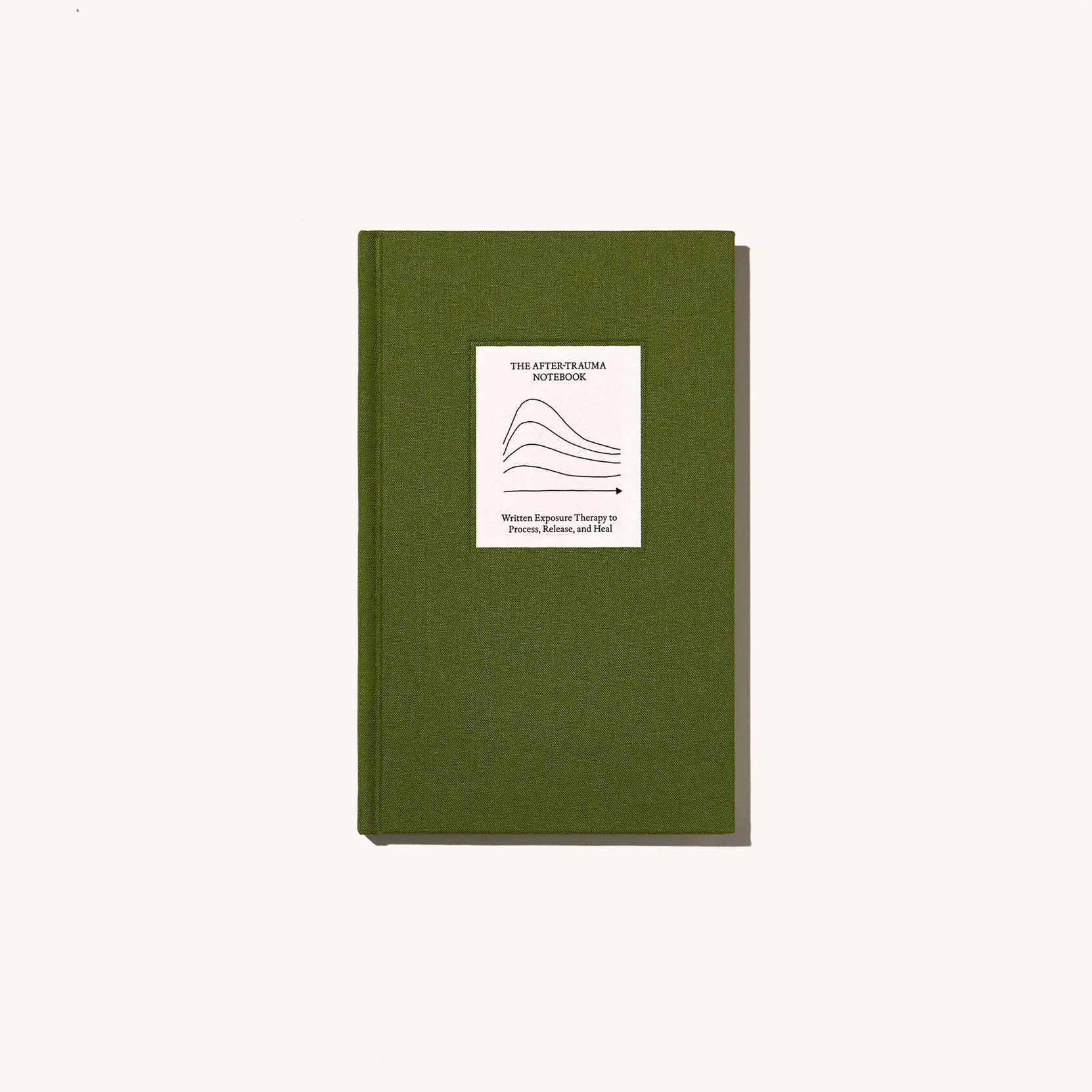
CHECK OUT OUR BEST-SELLING GUIDED THERAPY JOURNALS HERE!





Experience BetterHelp’s Approach to Mental Wellness
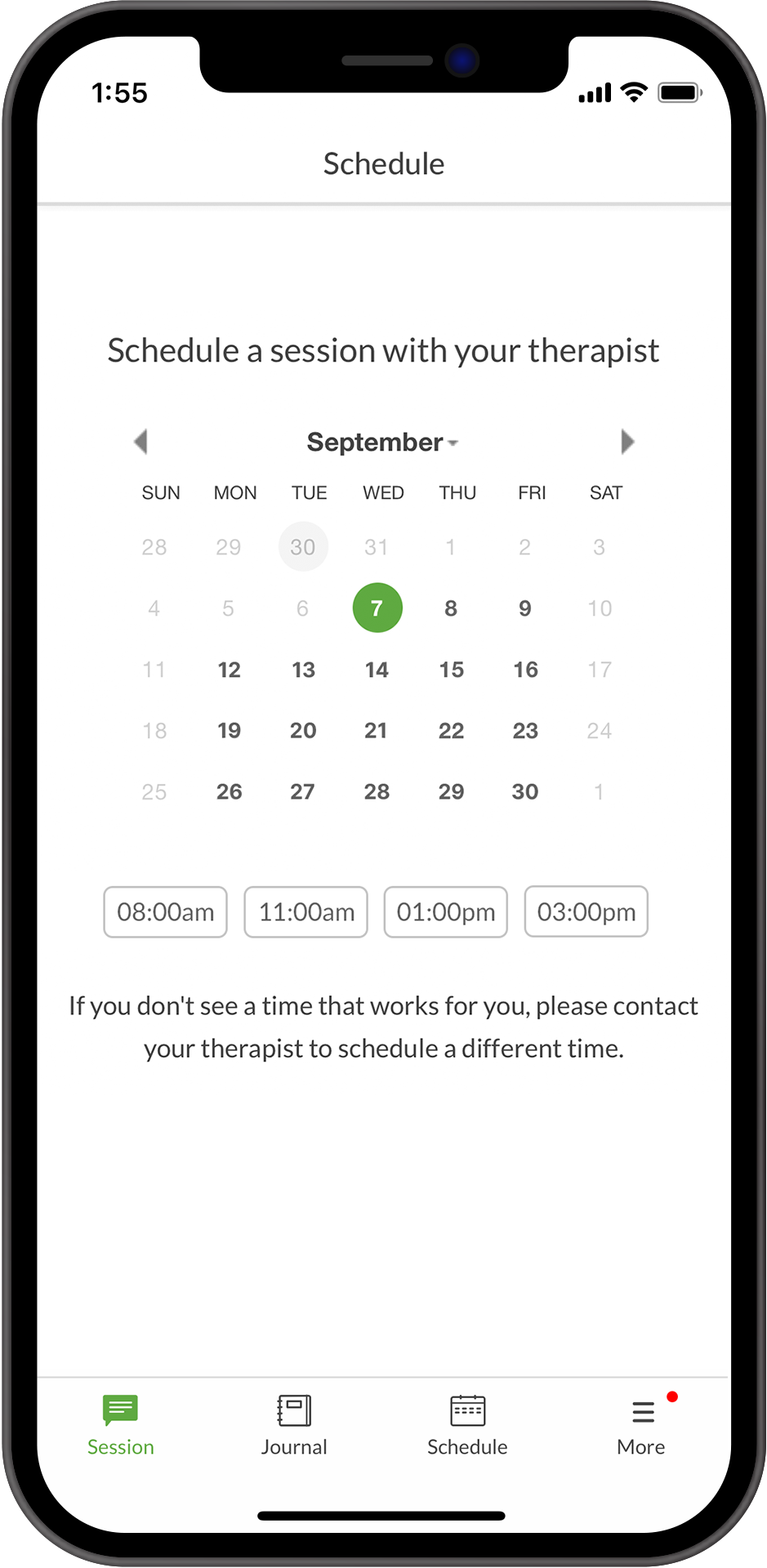

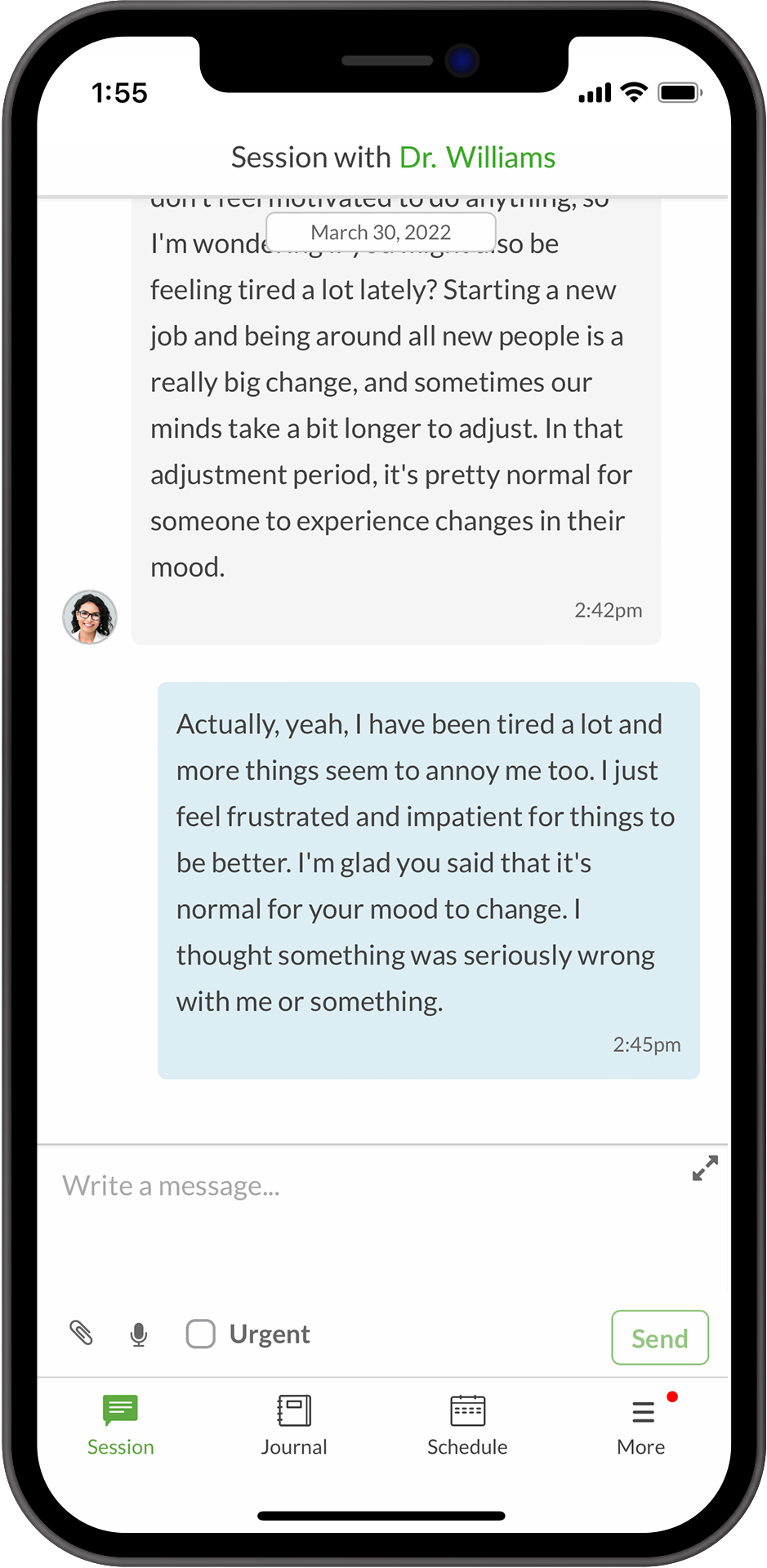
If you’re needing help and want to learn more about online therapy, I recommend checking out BetterHelp. They offer online therapy sessions with licensed therapists at an affordable price point.
As you know I’m a huge proponent of Mental Wellness and ensuring we all get the help we need when we need it. And of course, I don’t want you just to get any help I want you to get the right help so I am now sponsored by BetterHelp.
BetterHelp is the world’s largest therapy service, and it’s 100% online.
BetterHelp offers a network of over 25,000 licensed and experienced therapists who can help you with a wide range of issues.
Just click on the link below, answer a few questions and get matched with a therapist from the network.
One of the most amazing features of BetterHelp, if you don’t jive with your therapist you can switch to a new one that’s a better fit for you any time free of charge.
With BetterHelp, you get the same professionalism and quality you expect from in-office therapy, but with a therapist who is custom-picked for you, more scheduling flexibility, and at a more affordable price.

CLICK HERE FOR 10% BETTERHELP RIGHT NOW!
CHECK OUT OUR BEST-SELLING THERAPY NOTEBOOKS IN THE SHOP!