
While it’s so easy to put ourselves last the benefits of a self-care planner are truly incredible and we all know can all use a little more self-love and self-care. We take care of everything and everyone else, and our own well-being slowly slides to the bottom of the list. But the truth is: tending to ourselves isn’t optional. It’s how we stay grounded, steady, and well.
A self-care planner is one simple tool that can make a huge difference. Not because it’s “cute” or trendy, but because it gives you structure, a place to organize your needs, set intentions, track what’s helping, and actually make time for yourself. Below, I break down the real benefits and why incorporating a planner into your routine can support your physical, emotional, and mental well-being.

Benefits of a Self-Care Planner: Organization And Goal Setting
Structured Approach To Self-Care
A self-care planner breaks things down into small, doable pieces. Instead of vaguely telling yourself you “should take better care of yourself,” you can actually schedule mindfulness, movement, rest, and the small rituals that keep you feeling like you. Having it laid out visually makes it easier to stay consistent and balanced.
Goal Setting And Progress Tracking
We grow faster when we know where we’re headed. A self-care planner lets you set goals around your well-being and track what’s working. Over time, you start noticing patterns — the habits that help, the ones that don’t, and the changes you want to make. Seeing your progress on paper is also an underrated confidence boost.
Improved Time Management
Making Space for Yourself (On Purpose)
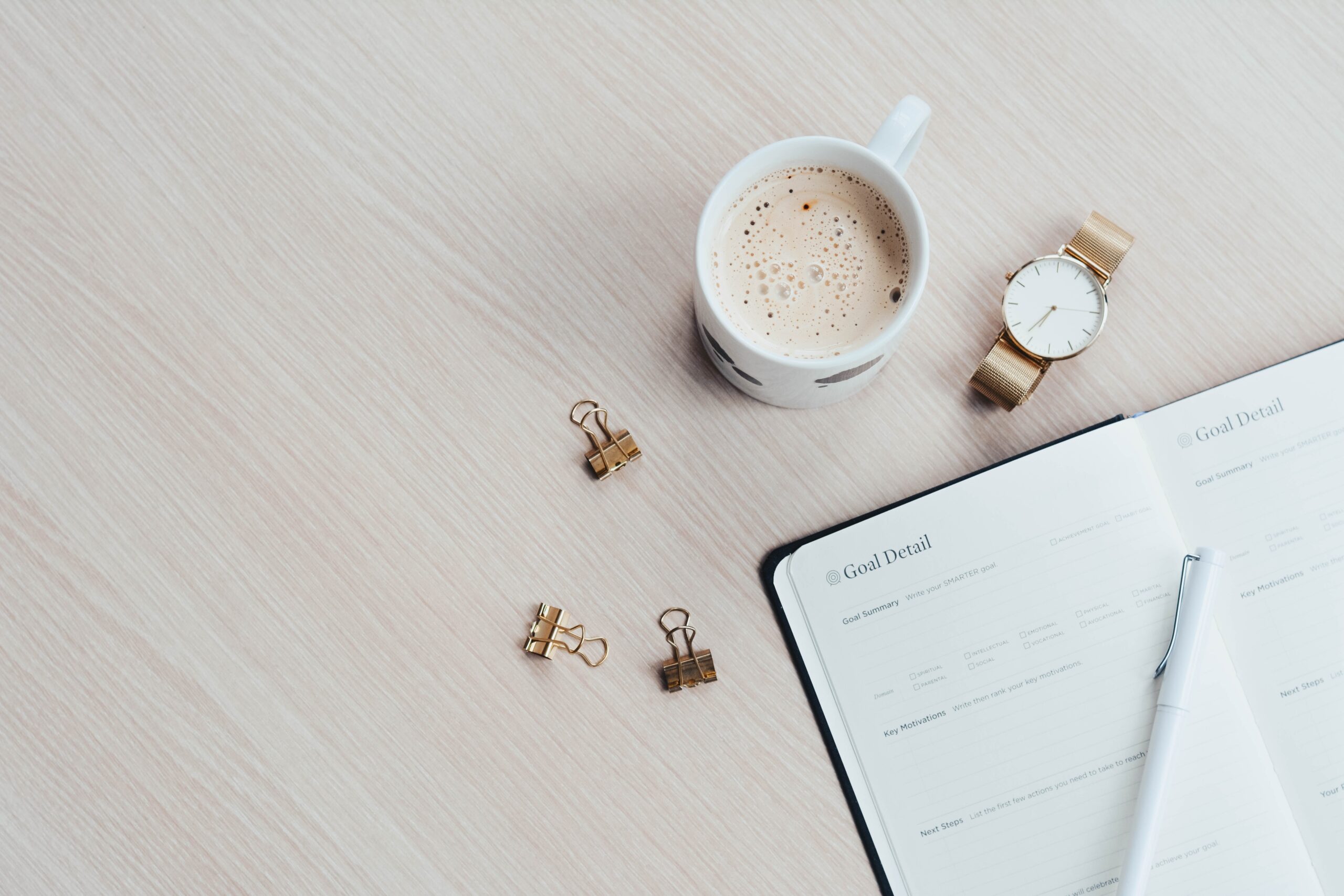
The biggest obstacle to self-care is time. A planner helps solve that by giving you permission to carve out space for yourself. Time-blocking self-care into your schedule turns it into something you actually do, not something you hope you’ll get to “if there’s time.”
Maximizing Productivity
Contrary to popular belief, self-care does not hinder productivity; it enhances it. One of the benefits of a self-care planner is to create a structured schedule, we reduce decision fatigue and increase our focus and efficiency. When we take care of our physical and mental well-being, we are better equipped to tackle our tasks with renewed energy and concentration. A self-care planner serves as a reminder to prioritize self-care, leading to improved overall productivity.
Stress Reduction And Emotional Well-Being
Stress Management Techniques
A self-care planner becomes a valuable resource for incorporating stress management techniques into our daily lives. It offers space to record relaxation exercises, such as deep breathing or meditation, and encourages us to schedule regular breaks and downtime. By intentionally engaging in these activities, we can reduce stress levels and promote emotional well-being.
Mood Tracking and Emotional Reflection
Tracking our emotions and reflecting on them is a vital aspect of self-care. The benefits of a self-care planner provide dedicated sections to record our moods, identify triggers, and discover patterns. This reflection enables us to gain self-awareness, understand our emotional needs, and find appropriate solutions. By nurturing our emotional well-being through self-care, we enhance our overall quality of life.
Enhanced Self-Awareness And Reflection
Journaling and Self-Reflection Prompts
A self-care planner serves as a personal journal where we can document our thoughts, feelings, and experiences. By incorporating self-reflection prompts, the planner prompts us to delve deeper into our emotions and gain valuable insights. Journaling becomes a powerful tool for self-discovery, self-expression, and personal growth. The self-care planner becomes a trusted companion on our journey of self-awareness.
Tracking Habits and Patterns
Consistency is key when it comes to self-care. A self-care planner helps us track our self-care habits and routines. By monitoring these patterns, we can identify areas for improvement and adjust our self-care practices accordingly. The planner promotes accountability and acts as a gentle reminder to prioritize self-care consistently.
Accountability And Motivation
Visualizing Progress and Achievements
One of the most rewarding aspects of using a self-care planner is the ability to visually see our progress and accomplishments. The planner allows us to track completed self-care activities and witness the overall progress we have made. This visual representation serves as a powerful motivator to continue prioritizing self-care and reinforces our commitment to personal well-being.
Supportive Community and Sharing
A self-care planner can also provide opportunities for community engagement and sharing. Many online communities and social platforms offer self-care challenges and discussions where individuals can find support and inspiration. By connecting with like-minded individuals, we can foster a sense of belonging and gain valuable insights into various self-care practices.
Conclusion
In conclusion, incorporating a self-care planner into our lives offers a multitude of benefits. From better organization and goal setting to improved time management and stress reduction, a self-care planner becomes an essential tool for prioritizing our well-being. By enhancing self-awareness, promoting reflection, and fostering accountability, the planner empowers us to make self-care a consistent part of our lives. Embrace the benefits of a self-care planner and embark on a journey of self-discovery, balance, and holistic well-being. For further exploration into self-care check out this article on the science of self-care.

FAQ
Taking care of ourselves goes beyond using a self-care planner. Here are some common questions about self-care and their answers:
- What are some other self-care things I can do for myself?
Self-care encompasses a wide range of activities that promote well-being. In addition to using a self-care planner, here are a few ideas to consider:
- Engage in physical activities: Exercise, yoga, or simply going for a walk can have immense benefits for both your physical and mental health.
- Practice mindfulness and meditation: These practices help cultivate present-moment awareness, reduce stress, and promote inner calm.
- Indulge in hobbies: Find activities that bring you joy and allow you to unwind, such as painting, cooking, reading, or playing an instrument.
- Connect with loved ones: Spending quality time with friends and family, whether in person or virtually, can provide a sense of support and belonging.
- Prioritize restful sleep: Ensure you get enough sleep and establish a bedtime routine that promotes relaxation and quality rest.
2. Is there a downside to practicing self-care?
While self-care is crucial for our well-being, it’s important to approach it with balance and self-awareness. Here are a few considerations:
- Avoid self-care becoming another source of stress: Sometimes, the pressure to practice self-care perfectly can become overwhelming. Remember that self-care should be enjoyable and flexible, tailored to your unique needs and preferences.
- Be mindful of excessive self-isolation: While alone time can be rejuvenating, excessive isolation may lead to feelings of loneliness or disconnection. Find a healthy balance between solitude and social connection.
- Don’t use self-care as an excuse for avoidance: It’s essential to address underlying issues rather than solely relying on self-care activities to escape or distract from challenges. Seek professional help if needed.
3. Are there things I can do to stay motivated and consistent with my self-care?
Staying motivated and consistent with self-care can sometimes be challenging. Here are a few strategies to help you maintain your self-care routine:
- Set realistic and achievable goals: Break your self-care activities into manageable steps and establish a routine that fits your lifestyle.
- Create accountability: Share your self-care goals with a trusted friend or join a supportive community that can provide encouragement and accountability.
- Practice self-compassion: Be gentle with yourself if you miss a day or don’t achieve your self-care goals. Remember that self-care is a journey, and progress is more important than perfection.
- Experiment and explore: Keep your self-care routine fresh and exciting by trying new activities or techniques. Explore different self-care practices to find what resonates with you.
- Celebrate your successes: Acknowledge and celebrate your achievements, no matter how small. Reward yourself for prioritizing your well-being and recognize the positive impact it has on your life.
By incorporating these strategies, you can stay motivated and consistent in nurturing your well-being through self-care.
Final Thoughts
Explore different kinds of self-care activities, be mindful of the potential downsides, and implement strategies to stay motivated so you can enhance your overall well-being and make self-care a sustainable and welcome part of your daily life. Remember, self-care is a journey that is personal, and it’s important to find what works best for you. Embrace self-care with intention and compassion, and take advantage of the benefits it brings to your physical, mental, and emotional health.
If You Are Struggling With Self-Care And Need Help
For more self care reading –